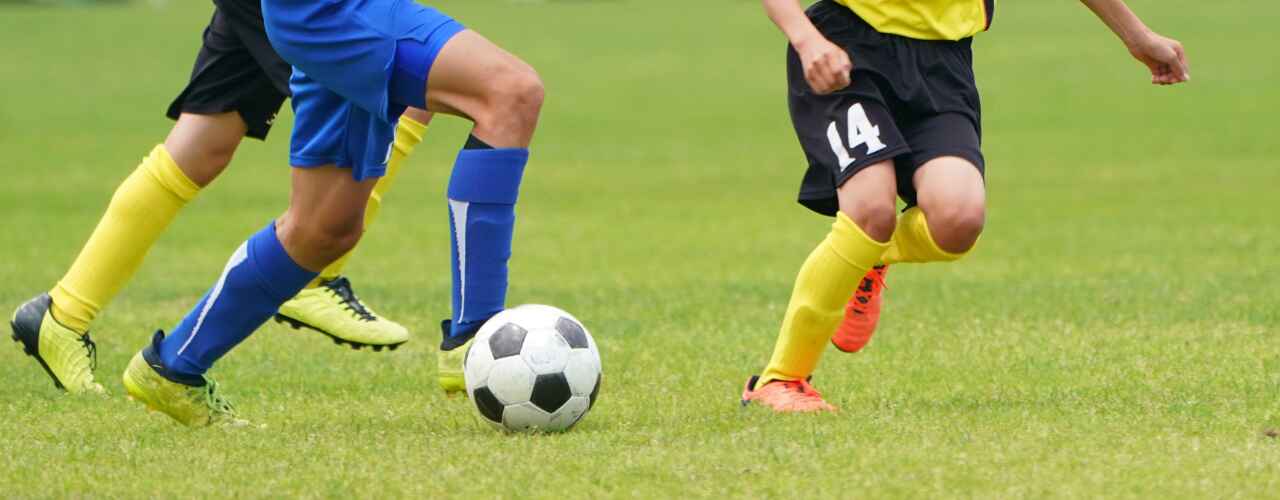
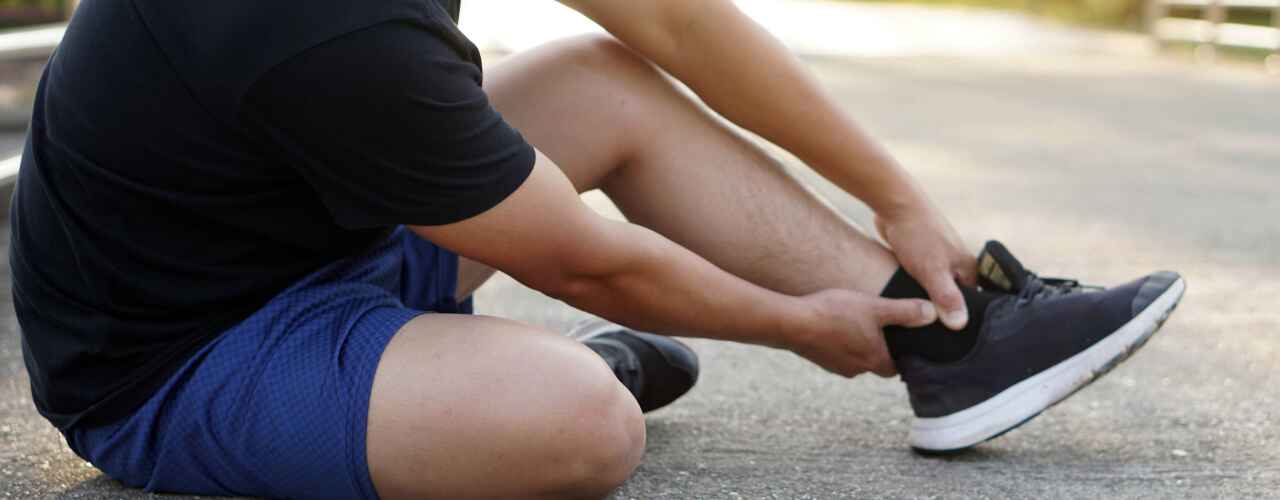
Whether you’re a competitive athlete or just someone who likes to stay active on the weekends, sports injuries can interrupt your progress and–worse–keep you sidelined. While our team is always available to help you recover from sports injuries, we prefer to help you prevent them entirely.
At Mobility Project Physical Therapy, we’ve found that knowing what causes these injuries and how to avoid them is the first step toward staying active and strong. Our team is here to break down the most common sports-related injuries and share proven prevention strategies.
Common Sports Injuries–And How to Protect Yourself
Sprains and Strains
Sprains and strains are some of the most frequent sports injuries seen in both recreational and professional athletes. It’s important that you know the difference!
Sprains occur when ligaments—the tissue that binds your joints together—get stretched or torn. Strains are similar but affect muscles or tendons—the tissue that connects muscle to bones.
Symptoms
Symptoms of strains and sprains can vary somewhat based on the severity of the injury. In general, though, they cause the following:
- Pain at the site of the injury
- Swelling or bruising
- Limited range of motion
- Sense of weakness in the affected area
Causes
- Sudden movements or falls
- Inadequate warm-ups
- Fatigue during activity
- Repetitive motions
Prevention Tips
- Warm up before sports and other activities with light cardio and dynamic stretches
- Strengthen supporting muscles through cross-training, which helps eliminate muscular imbalances that can contribute to sprains and strains
- Allow time for rest and recovery between sessions
Tendonitis
Tendonitis is the inflammation of a tendon, often caused by repetitive motion. For that reason, it’s especially common in sports like tennis, running, or swimming.
Symptoms
- Aching or burning pain around the joint
- Stiffness in the affected area
- Discomfort that worsens with activity
Causes
- Repeating the same motion without enough rest
- Weak supporting muscles
- Sudden increase in training intensity or duration
Prevention Tips
- Gradually increase your training loads—don’t do too much at once
- Cross-train to vary movement patterns, especially during the off-season
- Perform targeted strength and mobility exercises
- Make sure you’re using good technique
Runner’s Knee
Runner’s knee is a broad term used for pain around the kneecap. It’s often triggered by activities that involve a lot of bending or impact, including running and jumping. Remember that not only runners can be affected.
Symptoms
- Dull pain around or behind the kneecap
- Discomfort when going up or down stairs
- Worsening pain after sitting for long periods
Causes
- Weak thigh or hip muscles
- Poor alignment of the knees or feet
- Overtraining on hard surfaces
Prevention Tips
- Strengthen your hips, glutes, and thighs
- Include low-impact training in your routine, like Pilates or yoga
- Wear well-cushioned, supportive shoes
- Avoid sudden increases in mileage or training volume
Shin Splints
Shin splints are a common lower leg injury caused by inflammation of the muscles and tendons along the shinbone. They’re especially common in runners, dancers, and anyone doing repetitive jumping or running.
Symptoms
- Tenderness or aching along the inner shin
- Pain that worsens with activity and eases with rest
- Mild swelling in the lower leg
Causes
- Overuse or sudden increases in activity
- Running on hard or uneven surfaces
- Poor footwear or worn-out shoes
Prevention Tips
- Increase training intensity and duration gradually
- Wear proper running shoes with good shock absorption
- Cross-train with resistance exercises or Pilates
- Stretch and strengthen the calves and shins regularly
Stay Active, Stay Injury-Free
You don’t have to wait for a setback to start taking care of your body. The best way to avoid sports injuries is to move with intention, strengthen consistently, and pay attention to early signs of strain.
At Mobility Project Physical Therapy, we combine personalized physical therapy with movement-based training to help you perform your best. Whether you’re recovering or looking to prevent future injury, we’re here to guide you every step of the way. Schedule an appointment at our Eugene, OR clinic today to learn more!