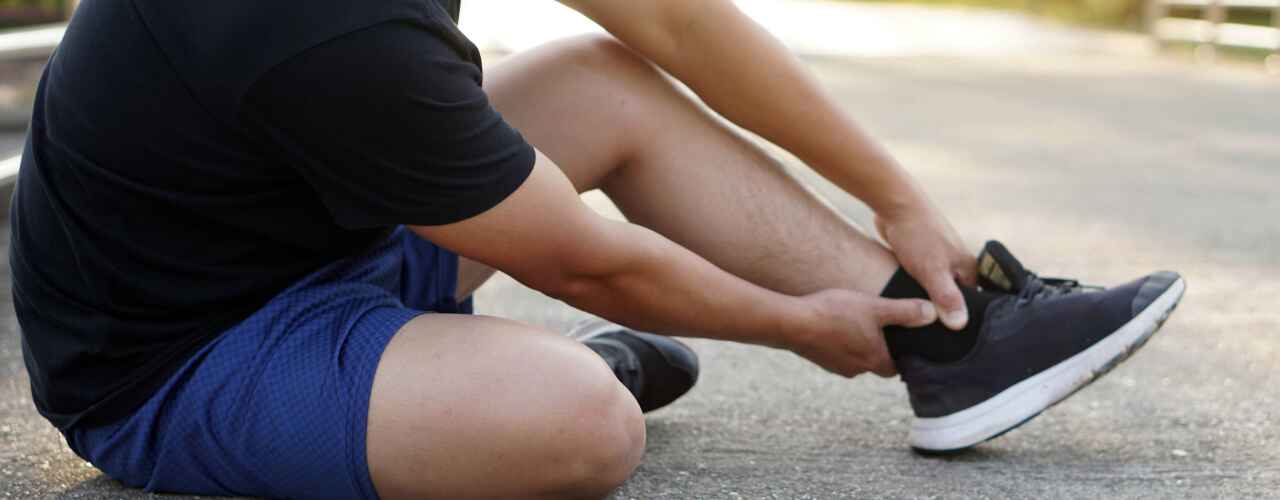
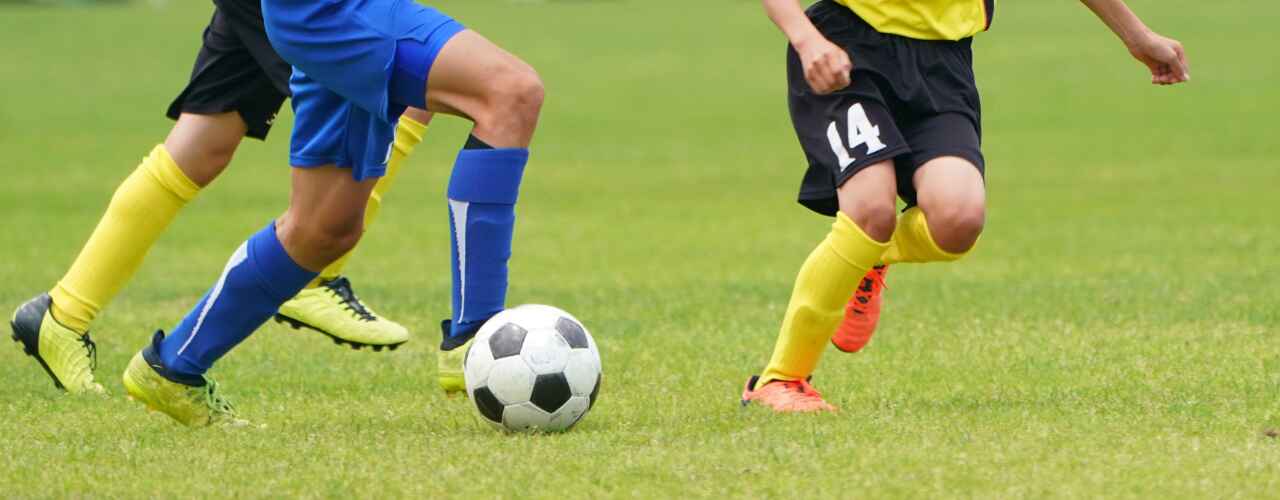
When James (not his real name) twisted his knee during a weekend soccer game, he heard a sharp pop and felt a wave of pain shoot through his leg. At first, he brushed it off, thinking it was just a mild strain. But over the next few days, swelling set in, and his knee began to lock up. After seeing a specialist, James learned he had a meniscus tear—a common knee injury that can happen during sports, exercise, or even from a misstep on uneven ground.
At first, James was concerned he would have to undergo surgery. But after meeting with the team at Mobility Project Physical Therapy, he discovered that physical therapy alone would be enough to get him back on the field–although it would take some hard work!
James’s story is not uncommon. Meniscus tears affect people of all ages and activity levels. The good news? With the right diagnosis, treatment plan, and recovery support, you can get back on your feet and back to doing what you love.
Understanding Meniscus Tears: What You Need To Know
Your knee joint contains two wedge-shaped pieces of cartilage called menisci. They act like shock absorbers between your thighbone and shinbone. A meniscus tear occurs when this cartilage is torn, either from a sudden twist or from gradual wear and tear.
Why Do Meniscus Tears Happen?
- Quick changes in direction during sports
- Squatting or lifting heavy objects
- Degenerative changes in older adults
- Direct impact or falls
Signs and Symptoms to Watch For
It’s not always easy to tell if you have a meniscus tear, especially right after the injury. Here are some signs to pay attention to:
- Popping sound at the time of injury
- Swelling within the first 24–48 hours
- Pain when twisting or rotating the knee
- Stiffness or limited range of motion
- Knee locking or feeling unstable
If these symptoms persist or worsen, schedule an appointment at Mobility Project Physical Therapy. We can help you understand what you’re dealing with.
Treatment Options for Meniscus Tears
Tears can vary in type and severity, from minor frays to complete splits. The right treatment depends on the type, size, and location of the tear, as well as your age and activity level.
While more severe tears may require surgery to repair, physical therapy alone can often rehabilitate small or degenerative tears, as James discovered. Physical therapy also plays an essential role in rehabilitating meniscus repair surgery.
What Recovery and Rehabilitation Look Like
Recovery from a meniscus tear isn’t just about resting—it’s about rebuilding. A well-structured rehabilitation plan is critical in restoring knee function, preventing future injuries, and getting you back to your daily activities or sports.
Recovery is typically divided into phases. Here’s an overview of what you can expect:
1. Acute Phase (First Few Days to 2 Weeks)
We’ll focus on reducing pain and swelling:
- Ice and compression to minimize inflammation
- Gentle range-of-motion exercises to maintain mobility without straining the knee
2. Intermediate Phase (Weeks 2–6)
The goal during this phase is to improve strength, stability, and mobility:
- Manual therapy techniques like soft tissue mobilization and joint mobilizations to improve function and reduce stiffness
- Strengthening exercises like mini squats and step-ups to improve joint stability
- Balance training to retrain proprioception (your sense of joint position)
3. Advanced Strengthening Phase (Weeks 6–12)
You’ll start building power, endurance, and sport-specific skills.
- Resistance band and bodyweight exercises such as lunges, bridges, and hamstring curls
- Plyometric training (e.g., jumping drills), if appropriate for athletic goals
- Agility drills for those returning to sports
- Neuromuscular re-education to retrain movement patterns and reduce reinjury risk
4. Return-to-Activity Phase (Week 12 and Beyond)
This phase focuses on safe progression back to work, recreational activity, or sports:
- Functional testing to ensure the knee is strong and stable
- Sport-specific exercises tailored to your activity level (e.g., pivoting drills for soccer players)
- Ongoing education to modify movement patterns and avoid overuse
Don’t Wait—Start Your Recovery Today
Meniscus tears can slow you down—but they don’t have to stop you for good. Whether you’re dealing with a fresh injury or lingering knee pain, getting the right care is key to your recovery.
Contact Mobility Project Physical Therapy today to schedule an evaluation and receive comprehensive support throughout your healing journey. Our team is here to help you move better, feel better, and get back to what you love.