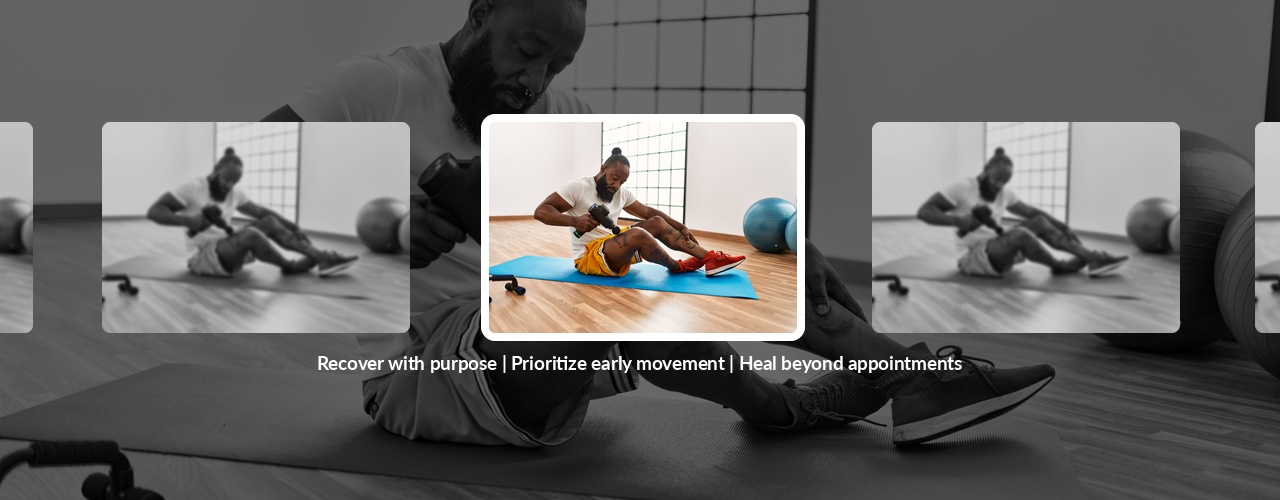
Getting injured can feel like everything is put on hold. Whether you are a recreational runner or a competitive athlete, the goal after an injury is always the same: to heal and get back to what you enjoy. The good news is that sports injury recovery does not have to be passive. With the right approach and guidance from the Mobility Project Physical Therapy team, you can support your body’s healing process and return to activity safely and efficiently.
Below is a step-by-step guide to help you make the most of your rehabilitation and move forward with confidence.
A Practical Guide to Moving Through Recovery with Purpose
Step 1: Understand Your Injury and Set Realistic Expectations
Recovery starts with clarity. Knowing what tissue is involved and how it heals helps you stay patient and consistent. A clear plan reduces uncertainty and helps you stay engaged in your sports injury recovery from the beginning.
Try These Tips
- Ask questions during your evaluation
- Learn what movements to limit and what to keep doing
- Understand that healing timelines vary based on the injury and your overall health
Step 2: Prioritize Early Movement, Not Complete Rest
While rest is important in the early phase, too much inactivity can slow progress. Guided movement helps maintain circulation, joint mobility, and muscle activity, supporting a smoother transition into more advanced rehabilitation.
Try These Tips
- Follow your physical therapist’s recommendations for safe activity
- Avoid pushing through sharp or worsening pain
- Focus on controlled, purposeful movement
Step 3: Stay Consistent With Your Rehabilitation Plan
Consistency is one of the most important factors in recovery. Small, regular efforts tend to produce better results than inconsistent bursts of activity. A steady approach builds strength and confidence over time, which is essential for long-term sports injury recovery.
Try These Tips
- Keep up with your scheduled sessions
- Follow through with your home recommendations
- Track your progress to stay motivated
Step 4: Support Your Body Beyond the Clinic
Healing does not only happen during appointments. Your daily habits play a major role in how quickly and effectively you recover. They help create an environment where your body responds better to treatment and adapts to physical demands.
Try These Tips
- Get adequate sleep to support tissue repair
- Maintain balanced nutrition to fuel healing
- Manage stress, which can impact recovery
Step 5: Address Movement Patterns and Underlying Factors
In many cases, an injury is not just about one area. It can be linked to how the body moves as a whole.
This is where a comprehensive physical therapy approach makes a difference. Incorporating elements like mat Pilates can help improve core stability, alignment, and body awareness, all of which support better movement patterns and reduce the risk of reinjury.
Try These Tips
- Identify imbalances in strength or mobility
- Improve coordination and control
- Learn how to move more efficiently during activity
Step 6: Gradually Return to Activity With Guidance
Returning too quickly can set you back. A structured progression helps ensure your body is ready for the demands of your sport.
Try These Tips
- Reintroduce activities in stages
- Monitor how your body responds after each increase
- Adjust based on symptoms and performance
Step 7: Stay Engaged and Communicate With Your Care Team
At Mobility Project Physical Therapy, recovery is a collaborative process between you and your physical therapist. Open communication helps tailor your plan to keep it effective and aligned with your goals.
Try These Tips
- Share any changes in symptoms
- Ask for modifications when needed
- Celebrate progress, even small wins
A Clear Path Forward After Injury
Recovering from a sports injury takes time, effort, and the right support. By staying consistent, addressing the root causes, and progressing safely, you can return to activity stronger and more prepared.
At Mobility Project Physical Therapy, care is built around your specific needs and goals. Whether you are early in your sports injury recovery or working toward a full return to sport, our team is here to guide you every step of the way with personalized, evidence-informed care. Call us today to get started.