Back pain can quietly shape the way you move, sit, and live each day. For many people, it starts as a mild annoyance and gradually becomes something that limits work, exercise, and even rest. Fortunately, the Mobility Project Physical Therapy team offers Pilates for back pain, a guided and evidence-informed approach that blends movement awareness with strength and control.
Curious to learn more about how Pilates can help with back pain? Let’s take a look at the story of a patient we’ll call Tiffany.
The Daily Struggle of Persistent Back Pain
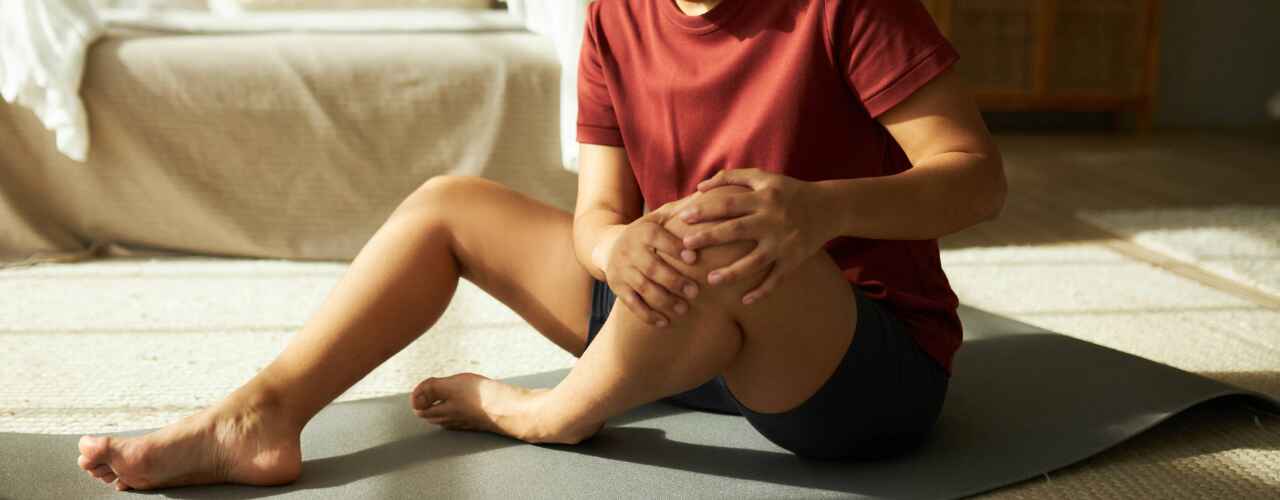
When Tiffany first arrived at Mobility Project Physical Therapy, she had been dealing with persistent lower back discomfort for over a year. Her work required long hours at a desk, and she noticed increasing stiffness, especially after sitting. Simple tasks like bending to pick something up or standing for extended periods began to feel unpredictable and uncomfortable.
Tiffany described her symptoms as a constant dull ache with occasional sharp discomfort during movement. She had tried resting more and avoiding activities that triggered pain, but this only made her feel weaker and less confident in her body. Like many of our patients, she was unsure where to start and concerned that exercise might make things worse.
Understanding the Root of Her Pain
During her initial evaluation at Mobility Project Physical Therapy, we identified several contributing factors:
- Reduced core muscle endurance
- Limited mobility through the hips and mid-back
- Postural habits linked to prolonged sitting
- Movement patterns that placed excess strain on her lower back
Rather than focusing only on the area of pain, her care team looked at how her whole body moved. This comprehensive approach helped explain why her symptoms persisted and guided the next steps in her care plan.
Building a Movement-Based Care Plan
Tiffany’s program combined targeted physical therapy with Pilates-based training. This approach emphasized controlled movement, alignment, and gradual strengthening without overwhelming her system.
Her plan included:
- Guided exercises to improve core stability and coordination
- Gentle mobility work to reduce stiffness in surrounding joints
- Postural education to support her daily routines
- Progressive Pilates sessions focused on control, breathing, and body awareness
A Closer Look at How Pilates Helped Tiffany’s Back Pain
Pilates for back pain was a central part of Tiffany’s recovery. It was thoroughly integrated into her care plan, and each session was tailored to her current ability level, allowing her to build confidence while staying within a safe range of movement.
Early sessions emphasized foundational skills. She learned how to gently activate her deep core muscles, coordinate her breathing, and maintain a neutral spine position during simple movements. This helped her become aware of how her body was moving, a key first step toward reducing strain on her lower back.
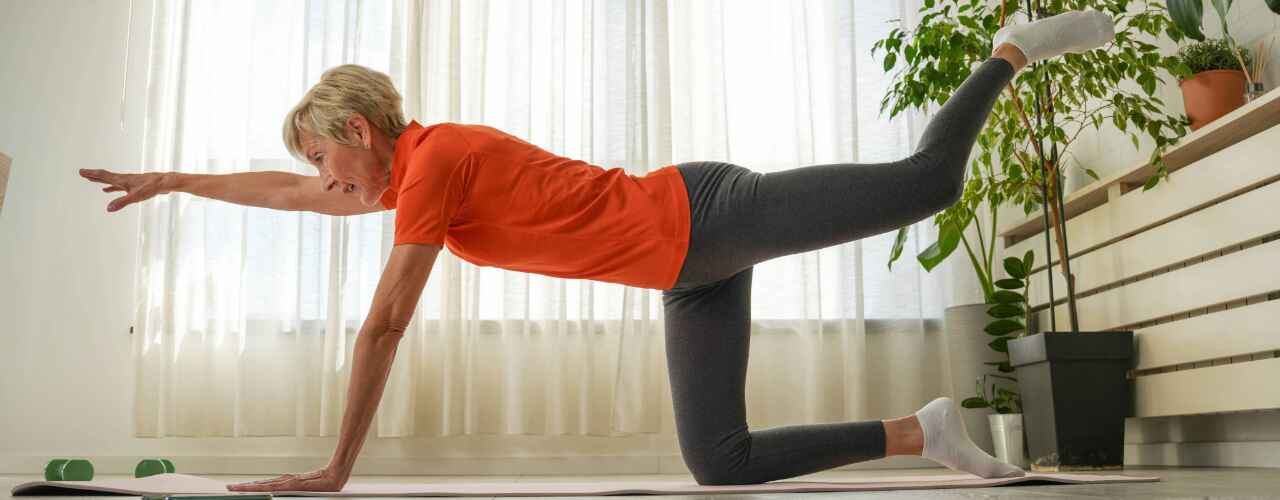
As she progressed, her Pilates sessions included:
- Controlled mat-based movements to improve core stability
- Gentle transitions between positions to build confidence with movement
- Focused breathing techniques to reduce tension and improve control
- Low-impact strengthening that supported her spine without aggravating symptoms
Each movement was carefully selected and modified based on how she responded that day, ensuring she was always working within a safe and effective range.
Over time, these sessions helped Tiffany develop better coordination between her core and surrounding muscles. Instead of relying on her lower back to compensate, she learned how to distribute effort more evenly throughout her body. This reduced unnecessary stress on sensitive areas and made everyday activities feel more manageable.
Perhaps most importantly, Pilates gave her a structured way to stay active without fear. It shifted her mindset from avoiding movement to understanding and trusting it. That confidence carried over into her daily life, allowing her to sit, stand, and move with greater ease.
Measurable Changes in Daily Life
As Tiffany continued her program, the improvements became noticeable in her daily routine. Sitting for work became more comfortable, and she no longer felt the need to constantly shift positions. Activities that once caused hesitation, like light exercise or household tasks, began to feel easier and more natural.
She reported less frequent, less intense back discomfort and increased confidence in returning to regular activities. She also felt more confident in managing her symptoms on her own.
Pilates for back pain played a key role in helping her reconnect with movement in a positive and controlled way.
Discover the Benefits of Pilates For Yourself
If back pain has been limiting your routine or affecting your quality of life, consider an integrated approach at Mobility Project Physical Therapy. With the right guidance and a personalized plan, it is possible to move with greater ease and confidence again.
Contact us today to learn how a tailored approach that includes physical therapy and Pilates can support your recovery and help you return to the activities that matter most.